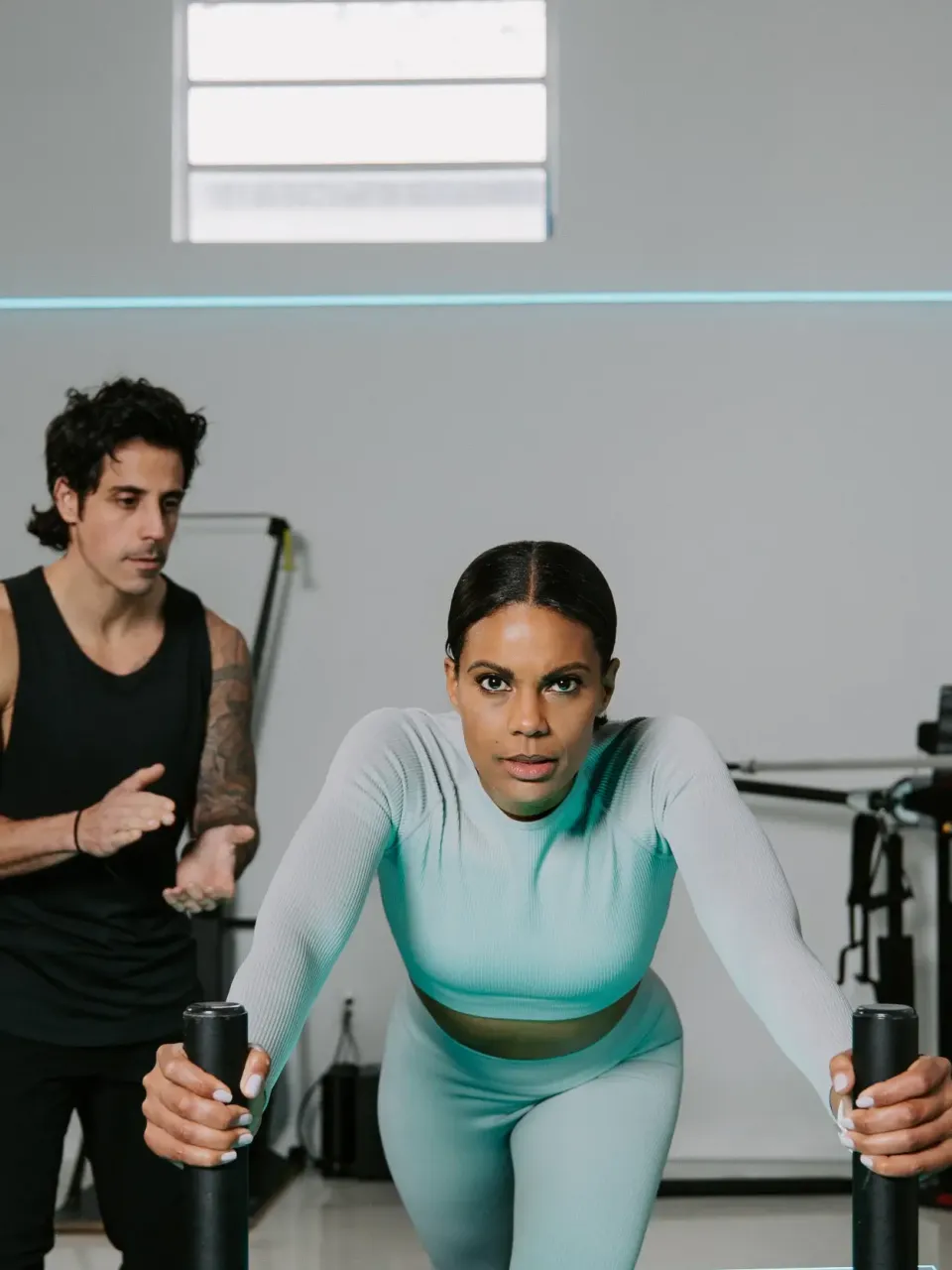
At What Age Should a Young Athlete Start Strength Training?

There is no single perfect age for every child to begin strength training. Readiness matters more than a birthday.
A young athlete may be ready when they can follow instructions, control basic body movements, stay focused during a session, and show genuine interest in learning. For many children, that can begin around age 7 or 8 with age-appropriate exercises and qualified supervision.
Strength training for a child should not look like an adult bodybuilding workout.
Is Strength Training Safe for Kids?
Yes, when the program is properly designed and supervised.
The American Academy of Pediatrics reports that children and adolescents can gain strength with low injury rates when training emphasizes correct technique and qualified supervision. Resistance training can include body-weight movements, bands, medicine balls, and other age-appropriate tools. It does not have to mean lifting heavy barbells.
The biggest risks usually come from poor supervision, inappropriate loads, unsafe equipment, or pressure to progress too quickly.
How Can You Tell if Your Child Is Ready?
Look for practical signs.
Your child may be ready for our youth strength training in Tampa if they can:
- Listen to coaching
- Follow two or three directions in sequence
- Perform simple movements with control
- Respect gym rules
- Communicate when something hurts
- Stay engaged without constant redirection
- Participate because they want to learn
Being talented at a sport does not automatically mean a child is ready for structured strength training. Maturity and coachability matter.
What Should Youth Athletic Training Focus On?
A good youth program builds a foundation before chasing performance numbers.
Training may include:
- Running, jumping, and landing mechanics
- Balance and coordination
- Body-weight strength
- Core stability
- Speed and agility drills
- Light resistance with good control
- Mobility
- Age-appropriate power development
The early goal is not a maximum lift.
It is helping the athlete move well, understand their body, and develop confidence.
Should the Program Be Sport-Specific?
Partly.
A soccer player, wrestler, tennis player, and golfer place different demands on the body. Their training should reflect those differences.
But young athletes still need general movement skills.
Speed, balance, strength, coordination, and control transfer across many sports. Building that base is often more useful than copying one professional athlete’s highly specialized routine.
Driven Fit works with young athletes in sports including lacrosse, tennis, soccer, track and field, wrestling, baseball, and golf.
What Should Parents Watch Out For?
Red flags include:
- Technique being ignored so more weight can be added
- Pain being dismissed
- Every child receiving the same program
- Punishment-based conditioning
- Adult workouts copied for children
- Pressure to test maximum lifts before fundamentals are solid
- A coach who cannot explain the reason for an exercise
Young athletes need challenge. They do not need reckless training.
A good coach can make the session demanding while keeping it appropriate.
Can Strength Training Help Prevent Sports Injuries?
No program can prevent every injury.
Age-appropriate strength, balance, coordination, and landing work can help young athletes prepare for the demands of practice and competition. The AAP includes improved fitness, physical literacy, and injury reduction among the potential benefits of well-designed youth resistance training.
Training should support the sport, not leave the athlete too sore to practice it.
How Often Should Young Athletes Train?
That depends on age, sport schedule, training experience, and recovery.
For many young athletes, one or two focused sessions each week may be enough during a busy season. Off-season training may look different.
More is not always better. School, sleep, practices, games, and free time all matter.
How Does Driven Fit Train Young Athletes?
Driven Fit offers youth athletic development in Tampa for athletes ages 8 and older.
Programs may include:
- Speed and agility work
- Strength-based power development
- Sport-specific functional circuits
- Mobility and recovery
- Private or duet coaching
- Technique and mindset development
Each plan is adjusted to the athlete’s age, sport, current ability, and goals.
FAQs About Youth Strength Training
Will strength training stunt a child’s growth?
Well-designed youth resistance programs have not been shown to harm growth plates or stunt normal growth when technique, supervision, and progression are appropriate.
Should children lift heavy weights?
The priority should be movement quality and control. Resistance can increase gradually as technique and maturity improve.
Does my child need to play a competitive sport?
No. Strength and movement training can benefit active children whether or not they compete.
Should my child train during the sports season?
They can, but the program should account for practices, games, fatigue, and recovery.
Does a young athlete need medical clearance?
Children with medical conditions, pain, previous injuries, or other health concerns should speak with their pediatrician or appropriate healthcare provider before beginning.
Ready to Help Your Young Athlete Build a Stronger Foundation?
Book a free evaluation with Driven Fit and learn how youth athletic development can support