Do I Need a Nutrition Coach or Just a Meal Plan?

A meal plan tells you what to eat. A nutrition coach helps you figure out how to eat when work runs late, your family wants takeout, travel disrupts the week, or your training changes.
If you already understand the basics but keep starting over, custom nutrition coaching may be more useful than another perfect plan you follow for ten days.
The real test of a nutrition strategy is not Monday morning when the refrigerator is full and motivation is high. It is Thursday night when you are tired, hungry, and staring at a delivery app.
That is where coaching earns its value.
Why Do Meal Plans Work Until They Don’t?
A meal plan can be helpful. It may give you ideas, structure, and a clearer picture of what balanced meals look like.
The problem is that life rarely follows the plan.
A fixed menu may not account for:
- Business lunches
- Family meals
- Travel
- Changing workout times
- Foods you actually enjoy
- Hunger that varies from day to day
- A schedule that changes every week
When the plan becomes impossible to follow, people often assume they failed.
Usually, the plan failed to leave room for being human.
A useful nutrition strategy should help you make decisions without needing every meal to go exactly as written.
What Should Custom Nutrition Coaching Actually Help You Do?
Good nutrition coaching should make eating feel less confusing, not more restrictive.
A coach can help you:
- Set a clear goal, such as fat loss, muscle gain, better energy, or improved workout performance
- Build meals around your work and family schedule
- Understand portions and macronutrients without obsessing over every number
- Plan food around workouts and recovery
- Notice patterns that may be slowing your progress
- Adjust the plan when your schedule or goals change
- Stay accountable without using guilt
Current federal dietary guidance emphasizes a pattern built around nutrient-dense foods, including protein sources, vegetables, fruit, healthy fats, dairy, and whole grains. It also recommends limiting highly processed foods rather than relying on a trendy rule that removes entire food groups.
The point is not to make you eat like a fitness influencer.
It is to help you make better choices in your own life.
Do You Have to Count Macros?
No.
Tracking protein, carbohydrates, and fat can be useful, especially when someone has a specific body-composition or performance goal. But macro tracking is a tool, not a requirement.
Some people do well with numbers. Others are more consistent using simpler strategies such as:
- Building balanced plates
- Including protein with meals
- Planning snacks before long workdays
- Keeping a few easy meals available
- Adjusting portions based on hunger and activity
At Driven Fit, macronutrient coaching is one part of a broader approach that also includes meal timing, fueling strategies, accountability, progress tracking, and long-term habit development.
Your nutrition plan should create clarity. It should not make you afraid to eat without opening an app.
How Should Nutrition Work With Your Training?
Your workouts and food choices should not feel like separate projects.
A demanding strength day may require different preparation than a rest day. Someone training for muscle gain may need a different strategy than someone focused on gradual fat loss. A client exercising early in the morning may need different meal timing than someone who trains after work.
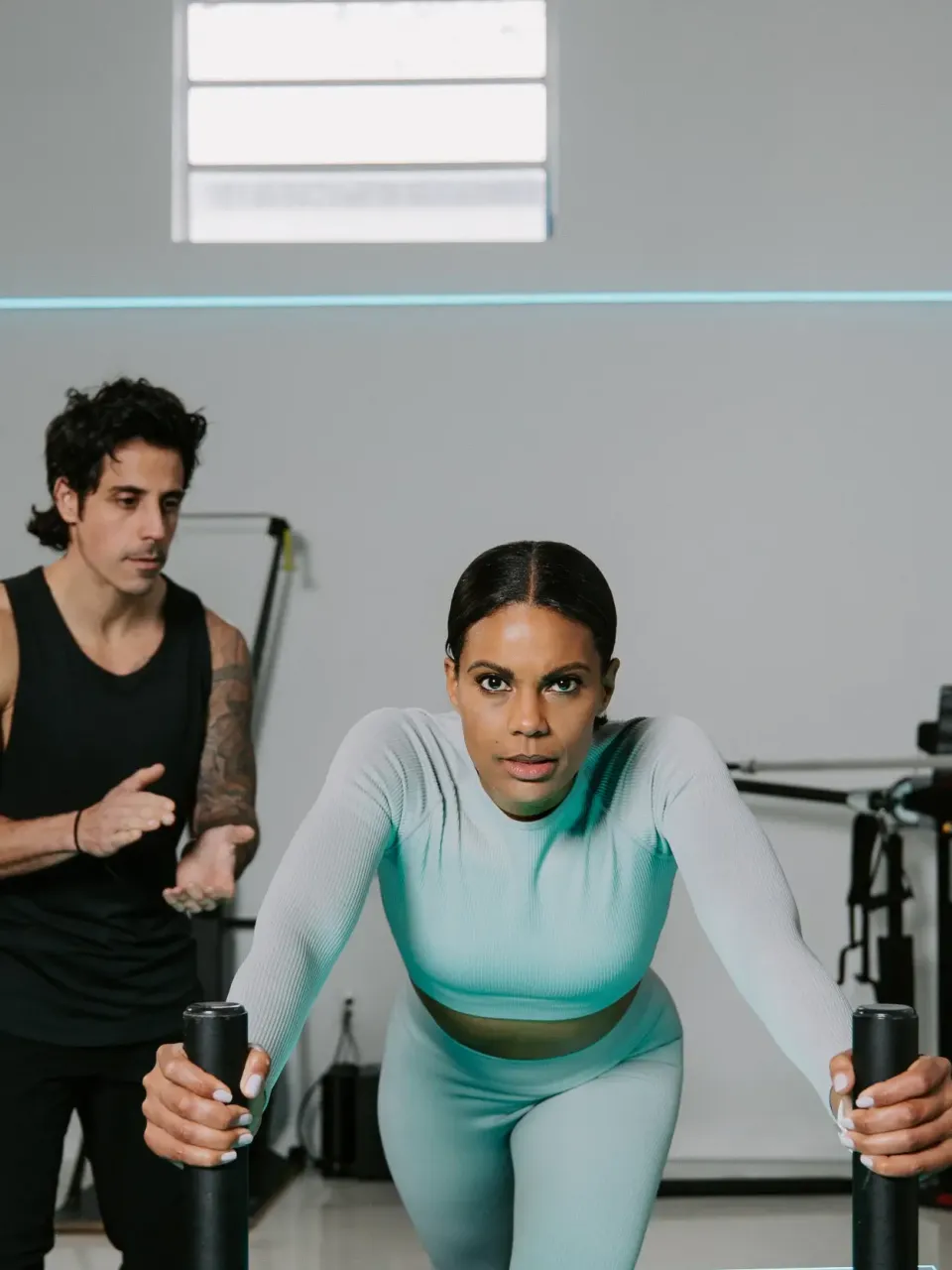
That is one advantage of pairing nutrition coaching with Tampa personal training. Your coach can see what your workouts actually involve and help you build realistic habits around them.
Driven Fit combines customized training with nutrition guidance so the two parts of the plan support the same goal.
Can Nutrition Coaching Help With Weight Loss?
It can help you build the structure and habits that support weight management, but no responsible coach should promise a specific result by a specific date.
Body weight depends on more than workouts and willpower. Eating patterns, physical activity, sleep, stress, medications, health conditions, age, and hormones can all play a role. The CDC recommends a realistic plan that includes nutrition, activity, sleep, and stress management rather than relying on a crash diet.
A coach can help you focus on the behaviors you can control and make changes you can maintain.
That is slower than a dramatic detox.
It is also far more useful.
When Should You Work With a Registered Dietitian or Healthcare Provider?
Nutrition coaching is not a substitute for medical care.
If you have a diagnosed medical condition, significant digestive symptoms, a history of disordered eating, or nutrition concerns related to medication, pregnancy, kidney disease, diabetes, or another health issue, speak with an appropriate healthcare provider or registered dietitian.
Medical nutrition therapy is a clinical service used to treat or manage medical conditions, provided by registered dietitians or other appropriately qualified nutrition professionals.
A trustworthy coach should understand boundaries and refer you when your needs fall outside general fitness and habit coaching.
What Are the Red Flags in a Nutrition Program?
Be cautious if a coach:
- Promises rapid or guaranteed weight loss
- Removes major food groups without a clear reason
- Gives every client the same meal plan
- Labels foods as morally “good” or “bad”
- Makes you feel guilty for eating out
- Ignores medical conditions or medications
- Cannot explain their qualifications or scope
- Pushes supplements before learning how you currently eat
Good coaching should leave you more capable, not more dependent.
Why Is Driven Fit’s Nutrition Coaching Different?
Driven Fit does not separate nutrition from the rest of your fitness plan.
Custom nutrition coaching in Tampa can be paired with private personal training, progress tracking, and recovery support. The approach may include:
- Macronutrient guidance
- Meal timing and workout fueling
- Practical food choices
- Portion awareness
- Accountability
- Progress reviews
- Adjustments as your goals change
- Habits designed to last beyond a short-term diet
There are no generic meal plans handed to everyone.
The plan begins with your goals, schedule, training, and actual life.
FAQs About Nutrition Coaching in Tampa
Is a nutrition coach the same as a registered dietitian?
No. Nutrition coaches generally provide education, habit support, accountability, and general wellness guidance. Registered dietitians have standardized clinical training and can provide medical nutrition therapy within their scope.
Can nutrition coaching help if I already know what healthy foods are?
Yes. Knowing what to eat and consistently doing it are different problems. Coaching can help with planning, accountability, and adapting healthy choices to real situations.
Do I have to meal prep every Sunday?
No. Meal preparation can help, but it is not the only way to stay consistent. Your plan might rely on simple meals, smart restaurant choices, convenient foods, or preparing only a few staples.
Can I still eat at restaurants?
Yes. A sustainable plan should work when you eat out, travel, celebrate, or have a busy week.
How quickly will I see results?
That depends on your goal, starting point, consistency, training, sleep, stress, and other health factors. A responsible coach will track progress and adjust the plan instead of promising an exact timeline.
Ready to Stop Restarting?
You probably do not need another rigid diet.
You need a nutrition strategy that still works when the week does not go according to plan.
Book your free evaluation with Driven Fit and learn how custom nutrition coaching and Tampa personal training can work together to support your goals, energy, and lifestyle.