Do You Need a Prenatal Personal Trainer or Can You Keep Your Regular Workout?

You do not need a prenatal trainer simply because you are pregnant.
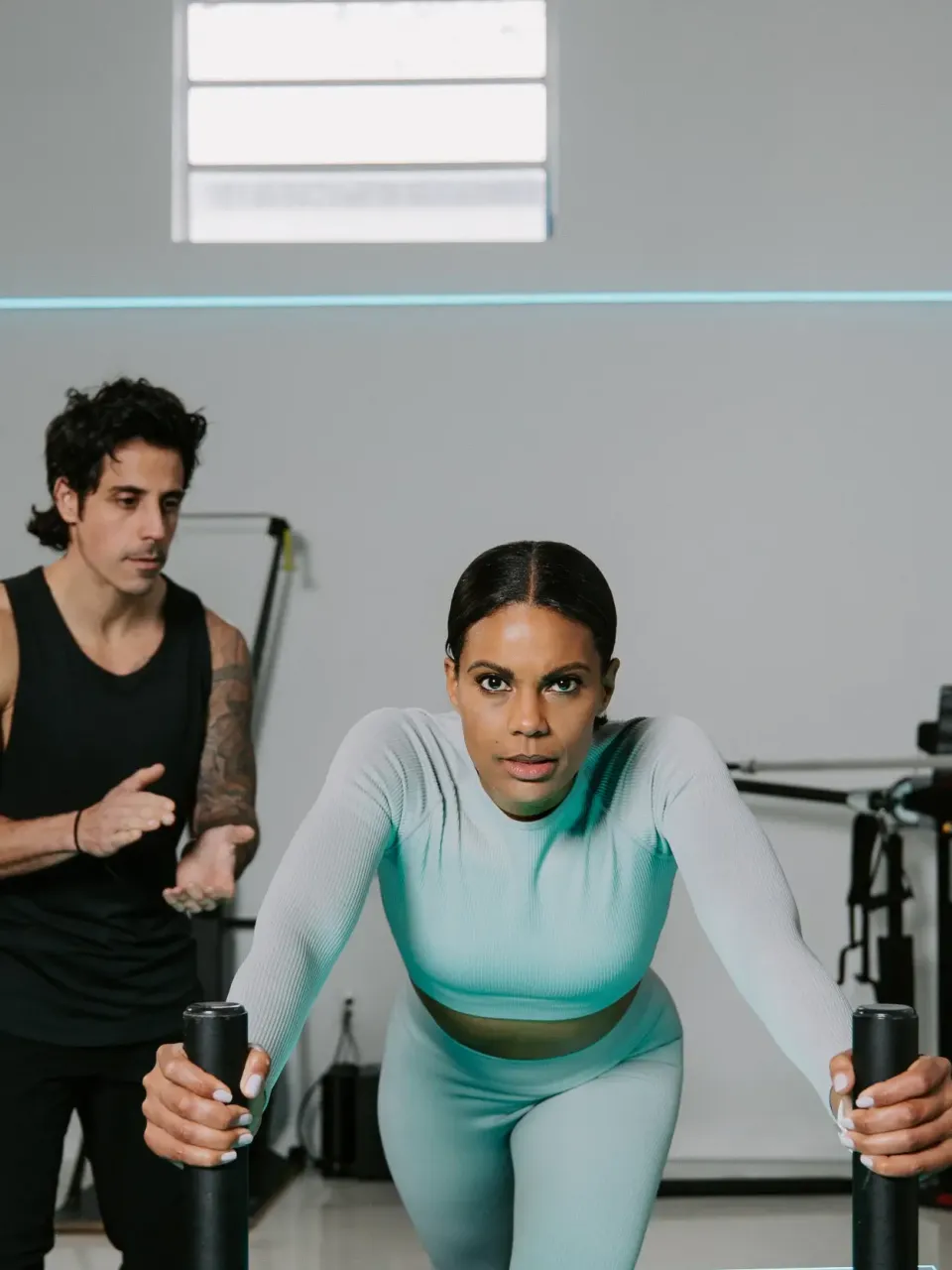
Many women with healthy, uncomplicated pregnancies can continue exercising. But the workout that felt right before pregnancy may need to change as your body, balance, energy, and comfort change.
A qualified prenatal personal trainer can help you make those adjustments without treating pregnancy like an injury or pretending nothing is different.
That middle ground is where good coaching matters.
Can You Keep Strength Training During Pregnancy?
In many uncomplicated pregnancies, yes.
The American College of Obstetricians and Gynecologists states that physical activity during pregnancy is generally safe and beneficial when there are no medical or obstetric complications. It also encourages aerobic and strength-conditioning exercise before, during, and after pregnancy, with modifications when needed.
That does not mean every exercise should stay exactly the same for nine months.
Your obstetric provider should help determine whether exercise is appropriate for your pregnancy. Your trainer’s job is to build within that medical guidance.
What Might Need to Change During Pregnancy?
Modifications should be based on the individual, not a list copied from social media.
Your program may need changes to:
- Exercise intensity
- Load and volume
- Balance-heavy movements
- Impact
- Core training
- Breathing and bracing
- Exercise positions
- Rest periods
- Heat exposure
Later in pregnancy, your center of gravity changes. Certain positions may become uncomfortable. Some movements may simply stop feeling worthwhile.
That is normal.
The goal is not to preserve your pre-pregnancy numbers at all costs. It is to keep building useful strength while respecting the phase you are in.
What Should a Prenatal Trainer in Tampa Ask You?
Before your prenatal personal training in Tampa begins, the coach should ask about:
- Your stage of pregnancy
- Your previous exercise experience
- Your provider’s recommendations
- Medical or obstetric complications
- Current symptoms
- Previous pregnancies or deliveries
- Exercises that feel uncomfortable
- Your goals for pregnancy and postpartum
A trainer who skips those questions and hands you a standard workout is not providing individualized prenatal coaching.
What Should Prenatal Strength Training Focus On?
A prenatal program may include:
- Low-impact strength and conditioning
- Core and pelvic floor coordination
- Breathing strategies
- Upper-back and postural strength
- Hip and leg strength
- Mobility
- Energy-based modifications
Driven Fit’s pre and postnatal training includes core and pelvic floor-focused programming, breathwork, low-impact conditioning, mobility, posture work, and private coaching.
A good session should leave you feeling trained, not punished.
When Should You Stop Exercising and Call Your Provider?
Stop exercising and contact your obstetric provider if you experience warning signs such as vaginal bleeding, dizziness or faintness, chest pain, painful regular contractions, fluid leakage, severe shortness of breath before exercise, or calf pain and swelling.
ACOG also advises avoiding overheating, paying close attention to hydration, and using temperature-controlled environments when conditions are hot or humid. That is especially relevant in Tampa.
A prenatal trainer should know these boundaries.
They should not diagnose symptoms or talk you out of contacting your provider.
When Can You Return to Strength Training After Birth?
There is no universal postpartum countdown.
ACOG advises that exercise may resume gradually when medically safe, depending on the type of delivery and whether there were medical or surgical complications. Some women may begin gentle activity within days after an uncomplicated vaginal birth. Recovery after a cesarean birth or complicated delivery may require a different timeline.
Being “cleared” at an appointment does not mean you should immediately return to the weights, impact, or intensity you used before pregnancy.
It means you have a starting point.
What Should Postnatal Training Look Like?
Early postnatal training often focuses on rebuilding rather than testing.
That may include:
- Breathing and core coordination
- Pelvic floor awareness
- Gentle mobility
- Posture and upper-back strength
- Gradual resistance training
- Low-impact conditioning
- Progressions based on symptoms and recovery
Some days may feel strong. Others may be shaped by sleep, feeding schedules, soreness, and the reality of caring for a baby.
A rigid program rarely survives that reality.
When Is a Specialist More Appropriate?
A personal trainer does not replace an obstetric provider, pelvic health physical therapist, or another licensed clinician.
Seek clinical guidance if you experience new or worsening pain, bleeding, significant pressure, wound concerns, dizziness, or other symptoms that make exercise feel unsafe.
The best trainers understand where coaching ends and healthcare begins.
FAQs About Prenatal and Postnatal Training
Can I begin strength training if I was inactive before pregnancy?
Many women can begin with gradual, moderate exercise, but speak with your obstetric provider first. Your trainer should start conservatively.
Do I need to stop lifting heavy weights?
Not every pregnant client needs the same restriction. Load should reflect your experience, symptoms, technique, medical guidance, and stage of pregnancy.
Is the six-week postpartum visit an automatic return to normal exercise?
No. Recovery varies. Return gradually based on your delivery, complications, symptoms, and provider recommendations.
Can exercise affect breastfeeding?
ACOG reports that regular aerobic exercise in lactating women can improve fitness without negatively affecting milk production, composition, or infant growth. Hydration and comfort still matter.
Can I start postnatal training months or years after giving birth?
Yes. There is no expiration date on rebuilding strength, mobility, and confidence.
Ready for Training That Changes With You?
Pregnancy and postpartum are not seasons to prove how tough you are.
They are times to train with more attention.
Book your free evaluation with Driven Fit and learn how personalized pre and postnatal training in Tampa can support your strength, comfort, and confidence through each phase.