Tag: Dr Sarah Sponaugle

Unexpected Things Chiropractic Care Can Help With

Every day millions of people who suffer from chronic back and neck pain seek chiropractic care for relief. However, what a lot of people don’t know is that chiropractic care is not just limited to alleviating these two ailments!  

In fact, chiropractic treatment is one of the safest, most naturaland most effective forms of therapy used to treat a wide range of issues. Here are some unexpected things that chiropractic care can help with… 


What Is Chiropractic Care? 

Chiropractic care is a form of therapy that focuses on the body’s natural healing abilities. Treatment typically involves manual therapy such as spinal manipulation, however, exercise and nutritional counseling are often included in a chiropractic treatment plan.  

At Driven Fit, our chiropractic teamled by Dr. Sponaugle, uses treatments such as stretchingsustained pressure, and specific joint manipulations that are delivered by hand and involve a quick and gentle thrust. Chiropractic care is often the first step in reducing chronic pain. 

 “There is a vast difference between treating the effects and adjusting the cause.” – Dr. D.D. Palmer 


Unexpected Ailments Treated by Chiropractic Care 

Immune System Support 

What’s the best defense when it comes to preventing illness and overall wellness? A strong and healthy immune system!  

For those who get sick often and typically turn to antibiotics, chiropractic care is an excellent way to give your immune system a boost – especially when paired with eating a gut-healthy and balanced diet as well as regular physical activity. 

Chiropractic manipulation (and a properly aligned spineimproves the nervous system, thus helping every cell and organ in your body – including your immune system! 


Improved Sleep & More Energy
 

There’s a lot going on right now – for everyone – and it’s not helping in terms of getting a good night’s sleep. In addition to stress, pain and discomfort also play a role in sleeping issues. Enter chiropractic care. Not only can this form of therapy regain healthy sleep patterns, it can also give you more energy.   

Manual adjustments help with overall pain and discomfort throughout the body, but specifically help realign the nervous system, thus creating improved sleep quality. In addition, adjustments provide renewed energy by freeing nerves to work more efficiently 


Increased Flexibility
 

Another unexpected benefit to chiropractic care is improved mobility and flexibility. Whether a sedentary lifestyle has started to wreak havoc or you’re suffering from an injuryyour muscles and ligaments can become inflexible and cause pain.  

Manual adjustments can improve your range of mobility and help you get back to normal without having to live with pain and discomfort.  


Chiropractic Care at Driven Fit 

Chiropractic care at Driven Fit + SWS is more than just an alignment. You can also expect:  

  • An in-depth consultation to determine your customized treatment plan 
  • Awareness and education of proper exercise, nutrition, and supplements
  • Body posture & gait analysis 
  • A specialized assessment and access to a full-wellness solution at our unique wellness studio 


Ready to give chiropractic care a try at Driven Fit + SWS in South TampaCall our chiropractic team! For a free consultation, please call or text (813) 440-3016 or learn more about our chiropractic services. 


Sciatica: Pain Triggers and Treatment

Sciatica pain is an aching pain that affects the sciatic nerve – a large nerve that extends from the lower back and down the back of each leg. Those who suffer from sciatica are typically between the ages of 30 and 50 and experience pain on one side of the lower body all the way through the back of the thigh and down through the leg. The good news is that 90% of people suffering from sciatica pain can fully recover without the need for surgery. Read more…


What are the Symptoms of Sciatica Pain? 

Anyone who’s experienced sciatica pain can easily identify the symptoms, which range from a tolerable ache to intense pain. These often include: 

  • Lower back pain
  • Pain in the buttocks or the leg (typically worse when sitting)
  • Hip pain
  • A burning or tingling sensation down the leg
  • Weakness, numbness or difficultly moving the leg or foot
  • Pain on the side of your buttocks
  • A shooting pain which makes it difficult to stand

What Causes Sciatica Pain? 

Degenerative Disc Disease.

Also known as a herniated disc, this condition is a breakdown of the discs that typically “cushion” the vertebrae. The gel-like center of a disc pushes through its outer lining and presses on the roots of the sciatic nerve. 


Pregnancy.

Sciatica typically affects women late in pregnancy when the uterus rests on muscles of the lower back and pelvic floor and spreads tension to the muscles of the upper and lower leg. This tension causes the legs to swell and adds pressure to nearby nerves, including the sciatic.   


Spinal Stenosis.

A condition most commonly found in adults over the age of 60, spinal stenosis occurs from the natural wear and tear of vertebrae. This leads to a narrowing of the spinal canal, thus putting pressure on the roots of the sciatic nerve. 


Piriformis Syndrome.

Guys, this one impacts you! When you wear a large wallet in your back pocket, it can cause the piriformis muscle (the muscle that connects the lower spine to the upper thigh bone and runs directly over the sciatic nerve) to spasm and put pressure on the sciatic nerve.  


Tumors.

It’s rare, but tumors along the spinal cord or sciatic nerve can put pressure on the nerves that branch off from the spinal cord. 


Injury/Infection.

Any kind of disruption to the muscle – inflammation, infection or injury – can put pressure on the sciatic nerve. 


Lifestyle.

Lifestyle choices can trigger sciatic pain, such as being overweight, not exercising regularly, wearing high heels or sleeping on a mattress that is either too hard or too soft. 


Treatment Options for Sciatica 

Most people who suffer from sciatica can improve quickly with at-home remedies such as bed rest, lower back stretches, ice packs and OTC medication. If the pain does not subside after a few weeks or keeps you from doing daily activities, you may want to consider other treatment options such as:  


Physical Therapy

This includes stretching and an exercise routine specifically designed to treat sciatic pain. It will also improve your posture to take pressure off the sciatic nerve.


Acupuncture

This is a proven technique which stimulates specific points on the body by inserting thin needles through the skin and helps ease chronic pain such as sciatica. 


Specialized Massage

Sacrology is a type of massage that incorporates gentle techniques for treating the psoas and piriformis muscles and surrounding structures. 

Ease Your Sciatica

If you suffer from sciatica, we can help! Our studio offers virtual training and one-on-one training options. To learn more about our chiropractic care, acupuncture and specialized massage therapy, please call or text our South Tampa wellness center at (813) 440-3016. 

Chiropractic Care for Depression and Anxiety

Sadly, mood disorders such as depression and anxiety are becoming more prevalent across the United States. In fact, 18% of Americans suffer from anxiety and depression, and that number seems to be on the rise. Those who suffer from mood disorders are no stranger to anxiety-related symptoms such as physical weakness, muscle tenseness, loss of concentration, inability to relax, and constant worry and fear

Medication has long been the go-to for anxiety relief, however, there are alternative practices that can also help – chiropractic care being one them.

Chiropractic Care for Hormone Balance  

Not only does the central nervous system (composed of the brain and spinal cord) control all our body’s functions, it is also largely responsible for impacting the parts of the body that produce hormones. 

Misalignments in the spine are common, which can interrupt nerve communication and function and disrupt hormone production. Because hormones influence many aspects of our lives including sleep patterns, weight gain, and mood, a hormone imbalance can lead to health concerns and cause anxiety, depression, or panic attacks.  

Misalignments in the spine can also affect the limbic system, which is responsible for our feelings and emotional well-being. This can lead to negative feelings that exacerbate anxiety-related issues.

Chiropractic care will remove misalignments to allow for proper hormone balance and optimal limbic system function, thus increasing feelings of well-being and decreased anxiety.  

Related > What’s that sound? What to expect with Chiropractic and other FAQs 

Chiropractic Care for the Mind-Body Connection 

Optimal well-being is when the mind and body are both healthy. When the body is not physically healthy, our emotional health also suffers. At the same time, mental weakness can also lead to physical illness.  

Chiropractic care focuses on whole-body health and well-being so each system functions at optimal levels, and as a result, leads to reduced stress and anxiety. Learn more about how we can help you by chatting with Dr. Sarah and the chiropractic team at Driven Fit today!  

Chiropractic Care as an Alternative to Medication 

In addition to therapy, anxiety and mood disorders have traditionally been treated with medication. However, this may not be the best option. While anti-anxiety medications mask the symptoms of anxiety, the downside is that when medication is stopped, problems will reoccur, or people will develop a dependency to the drug. In addition, there are a ton of side effects such as headaches, dizziness, nausea, jitteriness, among others.  

Driven Fit for Chiropractic Care 

At Driven Fit, we believe in a whole-body approach to healing. Our resident South Tampa chiropractor, Dr. Sarah Sponaugle, is highly trained in her practice and uses chiropractic care as a safe and natural method to manage anxiety and depression.  

Interested in learning more about our chiropractic services? Simply call or text our Tampa studio at (813) 440-3016.

Is there Really Science behind Acupuncture?

Acupuncture is one of the oldest healing therapies in the world, yet also considered cutting edge. The methods vary, but the most well-known form of acupuncture involves inserting very thin needles through a person’s skin at specific points on the body to various depths. Several scientific studies have shown it to be one of the most effective alternative methods for patients – giving scientific backing to acupuncture. But what exactly is the scientific theory behind it and how does it work? Let’s nerd out about acupuncture with Dr. Sarah

The Science Behind Acupuncture

Traditional Chinese medicine believes that health is the result of a harmonious balance of the complementary extremes of yin and yang. Disease is believed to come from an imbalance in these forces, which leads a blockage in the qi (also spelled chi).

Qi is said to flow through the meridians (or pathways) in the human body, and the meridians are accessible through 350 acupuncture points in the body. Inserting needles into these points is said to bring the energy flow back into proper balance, thus restoring and maintaining health.


Qi -the vital energy or life force believed to regulate your spiritual, emotional, mental, and physical health


Not everyone believes in the ancient Chinese reasoning behind acupuncture. Another theory is that acupuncture is a form of neuroscience where the acupuncture points are seen as places where nerves, muscles, and connective tissue can be stimulated. The stimulation increases blood flow while also triggering the body’s natural healing properties. It’s not all in your head, acupuncture works.

Benefits of Acupuncture 

Although there may be conflicting beliefs in the science behind acupuncture, it is and has been a viable form of healing for thousands of years. More than 3 million Americans use acupuncture as a form of treating a wide range of emotional and physical conditions. Most commonly acupuncture is seen as a treatment for pain, which is understandable as this is the best-studied aspect of the practice.

Acupuncture offers benefits including:

  • Mood enhancement
  • Better quality of sleep
  • Allergy relief
  • Immune system & digestive support
  • Headache relief
  • Blood pressure control
  • Fertility enhancement

Interested in Acupuncture?

Should you try acupuncture? Research has found it to be very safe, with few side effects.

If you want to see how this form of natural therapy can help you, then call/text us for an appointment with our expert South Tampa acupuncturist, Dr. Sarah Sponaugle, D.C.

New Guidelines for Acute and Subacute Low Back Pain & Preventative Maintenance

Do you suffer from low back pain? You’re not alone. Low back pain is one of the most common reasons for doctor’s visits in the United States. In fact, approximately one-quarter of U.S. adults reported having low back pain lasting at least one day in the past three months! Recently, the American College of Physicians (ACP) published an evidence-based clinical practice guideline that physicians and patients should treat acute or subacute low back pain, and the preventative maintenance thereof, with non-drug therapies such as superficial heat, massage, acupuncture, or spinal manipulation.

New Low Back Pain Guidelines

There are three categories of low back pain:

  • Acute (lasting less than four weeks)
  • Subacute (lasting four to 12 weeks)
  • Chronic (lasting more than 12 weeks)

Acute and subacute low back pain usually improves over time regardless of treatment and Doctors should reassure their patients of that. Under these new guidelines, physicians should avoid prescribing unnecessary tests and costly and potentially harmful drugs, especially narcotics.

Alternatives to Pain Medication

Evidence shows that both acetaminophen and systemic steroids were not effective in treating acute or subacute low back pain. Instead of drugs, the ACP recommends that physicians and patients use non-drug and non-invasive therapies such as the following:

  • Exercise
  • Multidisciplinary rehabilitation
  • Acupuncture
  • Mindfulness-based stress reduction
  • Spinal manipulation
  • Tai chi
  • Yoga
  • Motor control exercise
  • Progressive Relaxation

When treating chronic low back pain, new guidelines say doctors should select therapies that have the fewest harms and costs. The ACP reminds patients that these physical therapies should be administered by providers with appropriate training like our very own Doctor of Chiropractic, Dr. Sarah Sponaugle.

Benefits of Non-Invasive Therapies

Patients evaluated in the ACP’s clinical report had the following improvements after non-drug and noninvasive therapies for low back pain:

  • Reduction or elimination of low back pain
  • Improvement in back specific and overall function
  • Improvement in health-related quality of life
  • Reduction in work disability
  • Reduction of back pain episodes or time between episodes
  • Improved patient satisfaction

At Driven Fit + Sponaugle Wellness Studio, we offer the best chiropractic care and acupuncture therapy in South Tampa and treat conditions such as acute and subacute low back pain. For more information on our services or to schedule a consultation with our highly trained specialist, Dr. Sarah Sponaugle, DC., please contact us at (813) 440-3016.

Benefits of Prenatal Massage

Many women ask if massage is safe to relieve their pregnancy pains and safe for their growing child. The women who have experienced it will tell you that prenatal massage is a lifesaver, especially during late pregnancy. Numerous scientific studies back up this sentiment and found that prenatal massage can reduce anxiety, decrease symptoms of depression, relieve muscle aches and joint pains, and improve labor outcomes and newborn health. Here Dr. Sarah Sponaugle of our South Tampa gym and wellness studio takes a closer look at the many benefits of prenatal massage.

Reduction of Swelling

Swollen ankles and a belly getting heavier by the day…Reduced swelling is a major benefit to prenatal massage. Edema is the swelling of joints during pregnancy, often caused by reduced circulation and increased pressure on the major blood vessels by the uterus.

Pregnancy massage therapy stimulates soft tissues and reduces the collection of fluids in swollen joints.

Hormone Regulation

Hormone levels associated with relaxation and stress are significantly altered when massage therapy is introduced to a woman’s prenatal care routine.

Levels of bad hormones (norepinephrine and cortisol, a.k.a stress hormones) were reduced while levels of good hormones (dopamine and serotonin) levels were increased. These changes in hormone levels have been proven to improve moods, lower stress, improve cardiovascular health, reduce labor and delivery complications, and reduce newborn complications, such as low birth weight.

Improvement of Nerve Pain

One of the more common aches during pregnancy is sciatic nerve pain. This typically occurs in late pregnancy as the heavy uterus rests on muscles of the lower back and pelvic floor. The pressure of the uterus spreads tension to the muscles of the upper and lower leg, causing them to swell. In turn, putting pressure on nearby nerves.

Massage therapy releases tension of these muscles to ease the pain of the inflamed nerves.

Shorter Labor & Newborn Health

Prenatal massage therapy has several benefits for both mom and her future child. Studies have shown massage helps increase chances for a shorter less painful labor. Plus, these babies tend to have higher Neonatal Behavioral Assessment scores. Those who add this as part of their prenatal care also showed less likelihood of premature birth.

Additionally, these studies indicated when a woman is depressed during pregnancy. Massage can help reduce depression (thanks, hormone regulation) by the time her baby is born. These moms were more likely to have reduced depression and cortisol levels postpartum.

Prenatal Massage in South Tampa, FL

Prenatal massage therapy has several benefits. Reduce swelling, improve and regulate your pregnancy hormones, and relieve lower back and sciatic nerve pain. Including massage therapy as part of your prenatal care plan, you can even improve labor outcomes and newborn health. We recommend at least receiving a session at least once a month.

Choose Driven Fit + Sponaugle Wellness Studio in Tampa, Florida for prenatal massage therapy. Our licensed professional massage therapist has received training beyond the national standards for prenatal massage. Make an appointment with the best massage therapists in South Tampa!

[hc-hmw snippet=”Contact-Us”]

Exercises to Help Ward Off Back Pain

Chiropractic care is among the top choice for Americans to visit upon an episode of low back pain. With over 80% of adults experiencing low back pain at some point in their life, we see this complaint daily. It is my responsibility to not only get you out of pain, but give you the tools to stay pain free.

With that, many individuals don’t realize how important proper core strength is the health of your spine. Core strength allows for the spine to be properly supported and with proper support the chances of an initial or recurrent episode of low back pain decreases significantly. Here is a great article by AceFitness.com on exercises that can be done at home or in the gym to help ward off low back pain.

Reasons for Low-back Pain

Low-back pain (LBP) is the most common chronic pain issue in the U.S., with 60 to 80% of adults struggling with it on a regular basis. While many conditions can lead to LBP, inadequate core strength is a common causal factor.

Increased sedentary jobs and sitting time can lead to muscle imbalances and weak core musculature, putting the low back at increased risk of injury. Here are a few common reasons increased sitting time leads to LBP:

  • The deep core muscles are meant to endure prolonged contractions to support and stabilize the spine. When we slouch in a chair all day, the core remains relatively inactive. This results in a decreased signal from the brain to the core telling it to “turn on” and protect the spine when necessary.
  • The psoas major, one of the strongest hip flexors, originates at the lumbar spine. Sitting can shorten this muscle, putting chronic stress on the low back.
  • The gluteal muscles, which are the powerful hip extensors, become lengthened and weak, known as “glute amnesia.” These muscles are then unable to do their job in regular activities of daily living, forcing other muscles, such as those in the low back, to compensate.

Effective Exercises for LBP

While avoiding sitting altogether is unrealistic, specific exercises can help to minimize your chance of developing LBP. Here are five effective body-weight exercises you can do anywhere to ward off LBP.


Plank

Tried and true, nothing enhances core stability like a plank. Start with your elbows positioned directly below your shoulders and walk the feet back one at a time until the body is in a straight line. Engage the quads, glutes and core, while pushing the floor away through the toes and forearms. Perform one to three sets for 30-60 seconds, or as long as you can maintain proper form.

Ramp it Up: To increase the challenge, find an unstable surface. This can be done by placing the forearms or feet on a soft pad or exercise ball, or by raising one arm or leg. Your hips and shoulders should remain in line with one another throughout.

Pare it Down: Decrease the challenge by elevating the surface. Position the hands or forearms on a bench, table or railing at a height that is challenging but allows for maintenance of proper form.


Side Plank

While the standard plank is helpful for reducing the risk of LBP, the side plank may be even more beneficial because it requires activation of the internal and external obliques. It’s imperative to strengthen these muscles, as they help control rotational movements of the spine. Start with your elbow positioned directly below your shoulder. With the feet stacked or staggered, drive up through the lower obliques until the body is in a straight line. Keep the shoulders and hips stacked. Perform one to three sets for 30-60 seconds, or as long as you can maintain proper form.

Pare it Down: Drop a knee to the floor for additional support or find an elevated surface to place the hand or forearm, reducing the challenge on the core.


Back Extension

Think of the core as a box. To prevent LBP, all sides of the box need to be strong and stable. Back extensions help strengthen the often-overlooked posterior side. With your lower body supported on a table or tall bench, let the upper body hang toward the floor (you will need a partner or strap to anchor your legs to the table). Engage your entire core and extend your upper body until it’s in line with your legs. Be sure to avoid extending past 180 degrees (where the upper body is higher than the legs) to limit compressive forces on the lumbar spine. Lower slowly and repeat for one to three sets of 10-15 repetitions.

Ramp it Up: Increase the challenge by making this an isometric exercise. Hold the top position for 30-60 seconds, or as long as you can maintain proper form.


Supine Gluteal Bridge

Weak gluteal muscles contribute to LBP by passing their work to the low back. The powerful gluteal muscles support activities like walking, running, squatting and deadlifting, but when they lack sufficient strength, the back bares the brunt of the load. Start in a sit-up position with your arms down by your sides. Press firmly through your feet and engage your glutes to lift up the hips, creating a straight line from the heels to the shoulders. Hold for two seconds and lower slowly. Perform one to three sets of 10-15 repetitions.

Ramp it Up: Increase the challenge by performing this exercise with a single leg, while maintaining level hips.


Bird Dog

You’ve likely seen this exercise performed at the gym. And it’s probably been done incorrectly. To perform properly, the trunk should remain stable, while the arms and legs move.

Begin in a quadruped position with your core engaged. Slowly raise one arm and the opposite leg to torso height. Your hips and shoulders should continue facing the floor. Slowly lower and repeat for 10-15 repetitions or hold the top position for 15-30 seconds. Repeat one to three times on each side.

Ramp it Up: Instead of the typical flexion and extension seen with this move, try a lateral bird dog. Once you reach the top position with the arm and leg extended, move both appendages a few inches laterally. This will dramatically increase the core challenge. Slowly return to the extended position and repeat for one to three sets of 10-15 repetitions.

Low-back pain is a common and debilitating condition. With a proper routine, you can strengthen your core and gluteal muscles and reduce your injury risk. This workout can be performed with nothing but your body weight – at home, in the gym or at the office. To further protect your low back, maintain an upright, engaged posture while on the job and avoid staying in any one position for too long.


Author: Dr. Sarah Sponaugle D.C., M.S., ART©, Certified in Acupuncture & McKenzie Therapy


Gut bacteria may ‘hack’ your body clock, affecting weight

More and more research is showing how important our gut environment or microbiome is for our overall health and well-being. Everything from intestinal to mental health is being connected to whats going on in the environment we house in our gut.  Here’s a quick read on some interesting new research showing just how this microbiome can affect our lives and health. (Article previously published on Medical News Today)

Chiropractic, Active Release Technique, Acupuncture, Cupping, Massage, Nutrition, Weight loss, South Tampa Chiropractor Sarah Sponaugle, D.C. certified in Acupuncture

New research in laboratory mice suggests that the gut microbiome may influence the intestinal circadian clock to promote the absorption of fat.

A new study conducted in mice suggests that gut bacteria influence the intestinal circadian clock to promote a higher intake and retention of lipid content, or fat.

Scientists from the University of Texas (UT) Southwestern in Dallas have recently conducted a study using mice to understand how gut bacteria might interact with the body’s circadian clock to influence weight.

The circadian clock is, in fact, a “collection” of biological clocks in the body, playing an important role in metabolism. These clocks regulate the individual’s various biological rhythms in accordance with the 24-hour day-night cycle.

The researchers, led by Dr. Lora Hooper of UT Southwestern, noticed that the gut microbiome is able to “hack” into and influence the intestinal circadian clock, thus impacting how much fat, or lipids, is absorbed by and stored in the body.

“There is accumulating evidence,” explains lead study author Yuhao Wang, a UT Soutwestern graduate student, “that certain bacteria that live in our gut might predispose us to gain weight, especially when we consume a high-fat, high-sugar ‘Western-style’ diet.”

The study’s findings were published this month in the journal Science.

Microbiome regulates NFIL3 production

Dr. Hooper points out that the gut microbiome can influence the body’s intake of fat, as well as how much energy is preserved. So far, however, the mechanism responsible for this regulation has remained unclear.

In the laboratory, she had bred a population of mice that were entirely germ-free, thus lacking a gut microbiome. She noticed that these animals seemed to put on less weight than expected when fed a diet that was high in fats.

“Mice that lack a microbiome fare much better on a high-fat, Western-style diet than bacteria-bearing mice,” explains Dr. Hooper.

This gave the researchers a hint about how microbiomes might regulate the absorption and retention of fat. A key role in this regulation, Dr. Hooper notes, is played by NFIL3, which is a protein involved in controlling the circadian rhythm.

They monitored both the germ-free mice and a group of mice that had been raised normally and did not lack a microbiome. These two mice colonies were compared with each other and a third colony, whose members had been genetically modified to be unable to produce NFIL3.

Dr. Hooper and her team found that the gut microbiome hacks the cells lining the intestines to modify how much NFIL3 is produced. This “tells” the body how much fat it should absorb, and how much it should store.

What happens, she explains, is that the bacteria affect the way in which the NFIL3 genes – those that determine the production of the NFIL3 protein – are expressed.

‘Deeper understanding of gut microbiota’

The day-night cycle to which the biological clocks are adapted also help to regulate feeding times. Cells in the guts of mammals communicate with the nervous system and thus “know” when it is daytime and when it is night-time. This normally allows the cells to regulate gene expression, adjusting to feeding cycles.

But Dr. Hooper and colleagues noticed that the systems of germ-free mice produce abnormally low levels of NFIL3, precisely because they lack a gut microbiome. As a consequence, these mice tend to absorb and retain much less fat, which is why they do not gain weight even when they are fed a high-fat diet.

“So what you have is a really fascinating system where two signals from the environment come in – the microbiome and the day-night changes in light – and converge on the gut lining to regulate how much lipid you take up from your diet and store as fat,” Dr. Hooper explains.

The team hopes that, in the future, more similar studies will be conducted to determine whether or not this mechanism may be partly at fault for the risk of obesity or other metabolic conditions, such as diabetes, in humans.

“Our work provides a deeper understanding of how the gut microbiota interacts with the circadian clock, and how this interaction impacts metabolism.”

“It could also help to explain why people who work the night shift or travel abroad frequently – which disrupts their circadian clocks – have higher rates of metabolic diseases such as obesity, diabetes, and cardiovascular disease,” she says.

If you would like to schedule an appointment or get more information please fill out the form below.

[hc-hmw snippet=”Contact-Us”]

Secrets to a less stressful life

Stress is a major factor that can hinder our overall health & wellness goals. This is a quick read with some great recommendations on how to handle the stressors of daily life (previously posted on huffpost.com).

If you have any further questions after reading this article, please feel free to contact Driven + Sponaugle Wellness Studio for more information on chiropractic, acupuncture, personal training, and massage therapy in the Tampa Bay area.

Chiropractic, Active Release Technique, Acupuncture, Cupping, Massage, Nutrition, Weight loss, South Tampa Chiropractor

Dr. Sarah Sponaugle, D.C. certified in Acupuncture located in South Tampa
You’re at your desk, about to log off for your lunch break, when you hear the ding of an incoming text. You read the message from your partner saying, “Meeting got moved. Can’t get kids from school today.” By the time you glance back up at your screen, an email has come in from your boss, asking about the progress of a lagging project.

As you craft your reply, your phone beeps again, and you eagerly check for the life-saving words of your best friend saying she can pick up your kids, but instead, you’re greeted by a news alert about some unspeakable thing happening in what seems to be an increasingly insane world.

Fill in the blanks of your own latest text, email, and news alert, and most of you can probably relate to this scenario. In fact, the American Psychological Association (APA) recently reported that the constant checking of devices is contributing to high levels of stress for the majority of Americans. This year, results from an APA survey also showed a “statistically significant increase” in stress for the first time since the survey was first conducted in 2007.

Stress is on the rise for myriad reasons that are worth examining. But here, I want to explore how to best handle the new waves of stress that have entered our lives. No matter what it is that’s making each of us anxious, we can all arm ourselves with the tools to help us stay calm, centered, and feeling strong in the face of challenges.

Here are some techniques we can adopt to better handle moments of stress.

1. Get a hold of your inner critic: One thing we should realize about stress is that so much of what we worry about is based not just on what’s happening in our lives but the messages we tell ourselves about what’s happening. Facing a deadline is stressful, but it’s those nagging thoughts telling us, “You’re never going to finish” or “This is all gonna blow up in your face” that really get us worked up. Getting our kid to finish their homework is tiring, but it’s made all the worse by attacks like “You’re a terrible parent” or “You can’t even get your own kid to listen to you. What a failure!” Take the time to ask yourself, “what are the thoughts around my stress that perpetuate it?”

There are a lot of things in our lives that don’t go our way or that we can’t control, but what makes matters much worse is a “critical inner voice” we all possess that punishes us unnecessarily and escalates our stress. “How can you sleep? You have so much to do.” “What makes you think you can just relax?” “This is just too much. You can’t handle it.” This voice is a friend to our stress, paving a tunnel for it to pour in and consume our state of mind. Identifying our “inner critic” by noticing when it starts yammering away will help us peel away its negative messaging from whatever our actual circumstances may be.


2.
Practice pressing the pause button: The saying that “whatever you practice gets stronger” is a useful one to remember when it comes to stress. If you practice stress, it will become the norm. If you practice calming yourself, it can also become the norm. When you feel your emotions start to spiral out or overpower you, remind yourself to take just one moment to pause and tune in to yourself. Take a few deep breaths, and slow down your thoughts. You might even put one hand on your belly and another on your heart, while you breathe in and out. This will help you feel more centered.


3. Embrace mindfulness (without judgment):
  William James said, “The greatest weapon against stress is our ability to choose one thought over another.” Mindfulness is a practice of, not necessarily choosing our thoughts, but choosing how we react to our thoughts and not letting them take over. Mindfulness meditation, for example, teaches us to focus on our breath and tune in with our bodies. As we do this, we can notice individual thoughts as if they are train cars passing on a track. We can acknowledge each one without choosing to board the train and disappear into a land of worry.

Mindfulness teaches us to remain in the moment. The philosopher Lao Tzu said “If you are depressed you are living in the past. If you are anxious you are living in the future. If you are at peace you are living in the present.” So much of our stress has to do with feeling bad about the past or worrying about the future, but what many of us find is that in the present moment, we are often okay.


4. Give yourself permission to stop worrying:
A lot of our stress is about what we can’t control, yet we all indulge in some degree of magical thinking that tells us that somehow worrying or considering every potential negative outcome will solve the problem or at least protect us. Rather than repeatedly setting off warnings in our heads that tell us to panic, why not give ourselves permission to stay in the moment and deal with what is rather than what might be? We could give ourselves permission to let go of the bad thoughts and feelings as much as possible. We can do this each time we’re faced with a challenge. It’s possible to confront the reality of a situation without adding the extra weight of torturing ourselves about the possible scenarios of this reality or its potential consequences.


5. Be around people who make you feel good: 
In a recent article in The Atlantic addressing post-election stress, Jack Saul, the director of the International Trauma Studies Program, said, “Strengthening connections with families, communities, and organizations is the most important preventive approach.” Studies show that friendship itself is a natural and effective antidote to stress. It’s important to surround ourselves with the right kind of friend, one who keeps us on the right side of ourselves.This means a friend who doesn’t perpetuate our stress by encouraging us to ruminate or wallow in our worries or who doesn’t add to it by joining in and stressing along with us. Find positive people, who have an easier time staying calm or who are more resilient and less hyper-reactive to problems.


6. Try out a different perspective:
On a survival level, our brains are wired to notice danger and focus on potential problems in an attempt to protect us. Unfortunately, this can make it much too easy to become overwhelmed by things we can’t control. Dr. Salvatore Maddi, who’s studied “hardiness” or emotional resilience for more than 30 years, has found that people with more hardiness see challenges as part of the human condition and regard them as opportunities to change and gain strength. Imagine that moment when life hands us something we could so easily stress about. If we feel overpowered by our circumstances, we may give up, get upset, or engage in a lot of thoughts and behaviors that amplify our stress. If we take a moment to pause to see this instead as a challenge, a natural bump in the road of life, we can change the way we feel inside when facing the very same external circumstances.


7. Make self-compassion a permanent goal:
Dr. Kristin Neff is a lead researcher on self-compassion. She has discovered incredible benefits to practicing self-compassion, as it helps people avoid self-evaluation, while allowing them to be kind to themselves. Self-compassion is sometimes mistaken for feeling sorry for oneself, but it is actually the opposite. It allows us to feel for ourselves and our circumstances and accept our suffering as part of the human condition. It allows us to see our flaws or limitations without hating ourselves, and therefore, we can take steps to make changes. Self-compassion can be a powerful tool when we feel stressed, because it reminds us to be kind and sensitive to ourselves and treat ourselves the way we would a friend facing these same circumstances.


8. Develop strategies to calm yourself down:
There are many good exercises for reducing our immediate feelings of stress. Breathing exercises such as taking a few long, slow breaths or simply paying attention to our breath, even yawning or inflating a balloon, can help us lower our heart rate and calm down. In terms of our thinking, there are practices to help us better process what’s occurring. When something painful or distressing happens, for example, psychologists Jack Kornfield and Tara Brach recommend the RAIN Approach, which involves Recognizing the trauma or loss, Acknowledging/ Accepting/ Allowing that this trauma occurred and may not be resolved, Investigating the experience as it relates to your past and present life, and Non-identification with the experience, which means we don’t over-identify with what happened or allow it to define us.


9. Notice the triggers that set you off:
We all have real stressors in our lives (bills to pay, work to do, schedules to manage), but why are we able to handle some things with calm and competence, while others seem to push us over the edge? We all have specific buttons that set off our stress more than others. The more we learn what triggers our strongest emotions, like fear and frustration, the more we can understand ourselves and control our reactions to these triggers. For example, does a tone of condescension set off critical inner voices of being incapable? Is the nightly news making you feel like hiding under a desk? Does a certain way your child cries leave you feeling unbelievably overwhelmed?

When we identify these triggers, we can go deeper into exploring why these particular things stir us up so much. Maybe they remind us of feeling helpless as a child or having a parent who flew off the handle. Maybe they trigger real or existential fears about ourselves and our family. Knowing our triggers can help us face more core emotions that are pumping life into our stress, and they can also teach us what may not be best for us in our daily lives. We should ask ourselves, “Can I avoid, limit, or better handle certain things that make me feel stressed?” Can I put away my phone after 9PM? Can I turn off the news when my heart starts to race? Can I take a couple smaller projects off my calendar? Can my partner handle this tantrum when I’m not feeling myself?  This approach isn’t about eliminating or avoiding real responsibilities or circumstances, but about actively seeking better strategies to deal with them.


10. Take positive actions:
At times, stress can make us feel overwhelmed or hopeless and can actually impair our ability to take action. If we feel stressed, it can be beneficial to sit down and come up with some actions that will help alleviate our stress rather than contribute to it. This isn’t about making a long to do list that will overwhelm or agitate us; it’s about taking pause and really pinpointing a positive step we can take to feel better or move forward on a task. This could be something as small as going for a walk outside, taking 15 minutes to meditate, setting aside an hour to make progress on a project, calling a good friend, or listening to uplifting music.

These actions can also be a direct response to whatever is causing our stress. For example, if we feel frustrated by the state of the world, we can set up time to volunteer or donate to a cause that matters to us. If work is chaotic, we can seek out strategies to keep calm. One friend of mine found it helpful to just check in with herself every hour to ask “how are you hanging in there?” and taking a few moments to breathe. If we’re overwhelmed at home, we can engage in a healthy conversation with family or friends about how we can all help one another. My sisters often pick up each other’s kids once or twice a week to allow the other to have an extra hour at the end of the day. Another friend makes a game out of late-night grocery shopping with his whole family when he or his wife has trouble making time to get to the market. Whatever it is that helps, give that action the time and importance it deserves. Anything we can do to help squeeze more joy, peace, and meaning out of our day is a worthy pursuit that everyone deserves.

If you would like to leave questions or comments please complete form below.

Thank you

-Dr. Sarah

[hc-hmw snippet=”Contact-Us”]

Jessica Bull Testimonial

Jessica Bull


The physical and mental aspects, truly sets your coaching programs apart.

As runner now aiming for personal bests, Luis’s adaptive coaching has been a game-changer. The custom training plan, precision in pacing strategies, and innovative techniques have propelled me to new heights in my races. 

I've shattered performance plateaus, and each race feels like a triumph. 

What was not even a dream become a reality when 

“I qualified for Boston” showing me anything is possible ????????

Beyond the individual successes, the sense of community fostered by your coaching team is remarkable. 

The support, encouragement, and camaraderie among fellow runners create an inspiring environment that fuels everyone's journey.

Thank you, Luis, and the entire run adaptive coaching team, for the dedication, expertise, and unwavering support. Joining your Run coaching programs has truly been the best decision I've made for my running journey. I'm not just achieving my goals; I'm surpassing them with each stride.

Gratefully,

Jessica

This will close in 0 seconds

Andrew Brown Testimonial

Andrew Brown


I am writing this testimonial with immense gratitude and excitement about the incredible journey I've had with your Run coaching programs, particularly under the guidance of Luis, my run adaptive coach.

Before joining, I was a runner with aspirations of improvement but unsure of where to begin. Luis’s coaching not only provided a structured plan but also instilled confidence in me from day one. 

The personalized approach, tailored to my fitness level and goals, made all the difference.

One of the key benefits I've experienced is the significant improvement in my running technique. 

Luis’s attention to my run programming has not only prevented injuries but has also made my runs more efficient and enjoyable. 

The gradual progression in training ensured that I never felt overwhelmed, and each milestone achieved boosted my motivation.

The mental toughness training incorporated into the program has been transformative. Luis's guidance has not only helped me overcome mental barriers during runs but has also positively impacted various aspects of my life. 

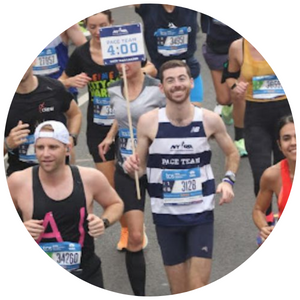
I’m Looking forward to my next few blocks of run coaching leading up to my next marathon in Berlin where I will be looking to reach a sub 4hr marathon ????????

~Andrew Brown

This will close in 0 seconds

Jason Arnold Testimonial

Jason Arnold


The approach of sending workouts directly to my watch and the personalized support provided has been a game-changer in achieving my personal best at the half marathon distance.

The convenience of having my workouts seamlessly integrated with my watch has transformed the way I approach training. It's not just about the ease of access; it's the strategic planning and adaptability that make your coaching methods stand out. Each run felt purposeful, and the progression was noticeable from week to week.

What truly sets your coaching apart is the unwavering support I received. The encouragement, insights, and personalized feedback have been instrumental in my success. It's more than just a training plan; it's a collaborative journey where my goals are embraced and pursued with dedication.

I recently achieved a personal best at the half marathon, and I credit this accomplishment to the meticulous coaching and guidance I received. The precision in pacing, strategic advice on race-day tactics, and the mental resilience training have elevated my performance beyond my expectations.

Thank you, luis and the entire run adaptive team, for the commitment, expertise, and continuous support. Your coaching methods have not only improved my running but have also enriched my overall perspective on fitness and well-being.

~ Jason Arnold

This will close in 0 seconds