Is It Better to Lose Weight Before You Start Strength Training?
No. You do not need to lose weight or “get in shape” before you begin strength training.
In fact, strength training can be one of the smartest places to start. It helps you build or preserve muscle while losing fat, improves the way your body moves, and gives your workouts a clear purpose. Waiting until you reach a certain number on the scale usually just delays the habits that could help you get there.
If you are new to exercise, the goal is not to walk into the gym and lift as much as possible. Start at your current level, learn proper technique, and follow a plan that progresses gradually.
Why Do People Think They Need to Lose Weight First?
A lot of people assume cardio is for weight loss and strength training is only for building large muscles.
That idea has been around for years, but it leaves out a big part of the picture.
Cardio can support heart health, endurance, and calorie expenditure. Strength training helps your body maintain and build muscle. Both can be useful, but you do not have to complete a “cardio phase” before you are ready to lift weights.
You are ready to start strength training when you can do it safely.
How Does Strength Training Support Fat Loss?
Strength training gives your body a reason to hold onto muscle while you work toward losing fat.
That matters because body composition is about more than scale weight. Two people can weigh the same and look or feel completely different depending on how much muscle they carry.
A well-planned strength program may help you:
- Build or preserve lean muscle
- Improve body composition
- Become stronger during everyday activities
- Support better balance and joint stability
- Make workouts feel more productive
- Maintain progress as your body changes
You may also notice changes in how your clothes fit or how much weight you can lift before the scale moves very much. That does not mean the program is not working.
Should You Do Cardio Before Strength Training?
It depends on your main goal.
If your priority is building strength, improving body composition, or learning lifting technique, it usually makes sense to complete your strength work while you are fresh. A short warmup is helpful. A long, exhausting cardio session beforehand may leave you too tired to lift with good form.
Cardio can come after strength training, on a separate day, or in shorter sessions throughout the week.
Someone training for a race may need a different setup. This is where a customized Tampa personal training plan is more useful than following a generic schedule online.
What Should a Beginner Strength Program Look Like?
You do not need six workouts a week.
Many beginners do well with two or three full-body strength sessions. Each workout can focus on a few basic movement patterns, such as:
- Squatting or sitting to a box
- Pushing
- Pulling
- Hinging at the hips
- Carrying weight
- Core stability
The exact exercises should match your current strength, mobility, and injury history.
Start with weights you can control. Learn the movement first. Then add resistance as your technique and confidence improve.
Can You Strength Train if You Are Very Out of Shape?
Yes.
You do not need to earn your way into the weight room by losing weight first. You also do not need to know how every machine works before meeting with a trainer.
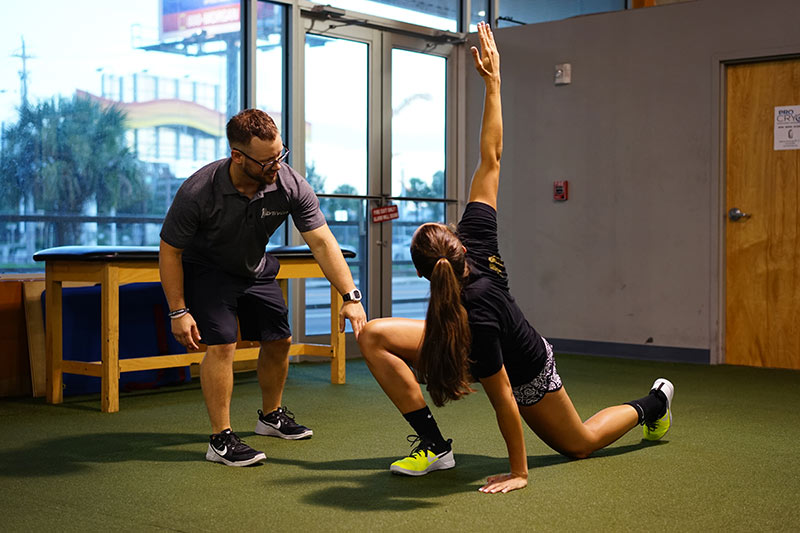
A personal fitness trainer in Tampa can scale exercises to your starting point. That might mean using body weight, resistance bands, lighter dumbbells, a bench, or a supported variation of an exercise.
Good training should challenge you without making you feel defeated.
Why Does Personalized Coaching Matter?
Beginners often worry about doing exercises incorrectly, getting hurt, or looking out of place.
A qualified Tampa fitness trainer can take away much of that uncertainty by helping you:
- Learn proper form
- Choose appropriate exercises
- Increase weight at the right pace
- Work around limitations
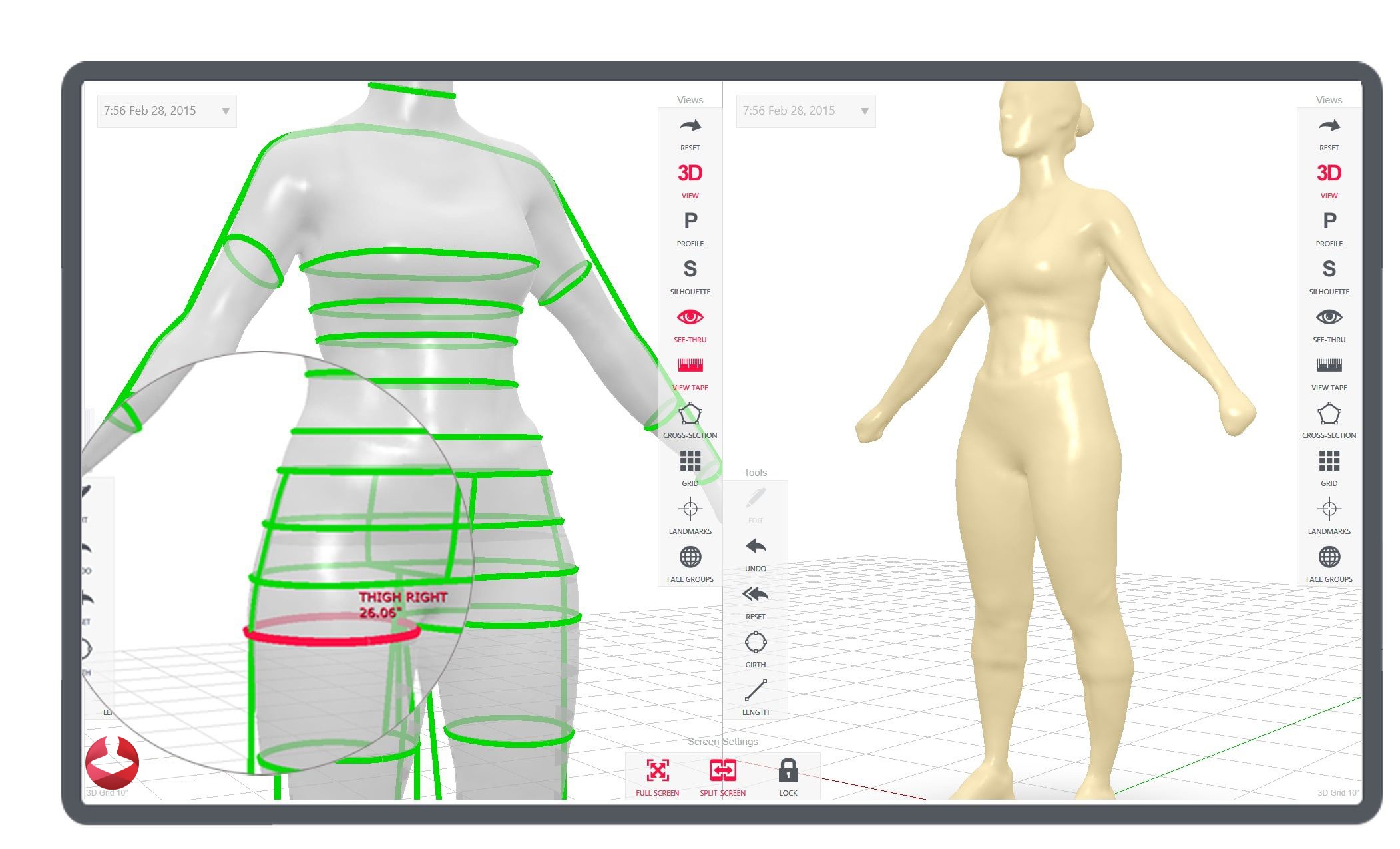
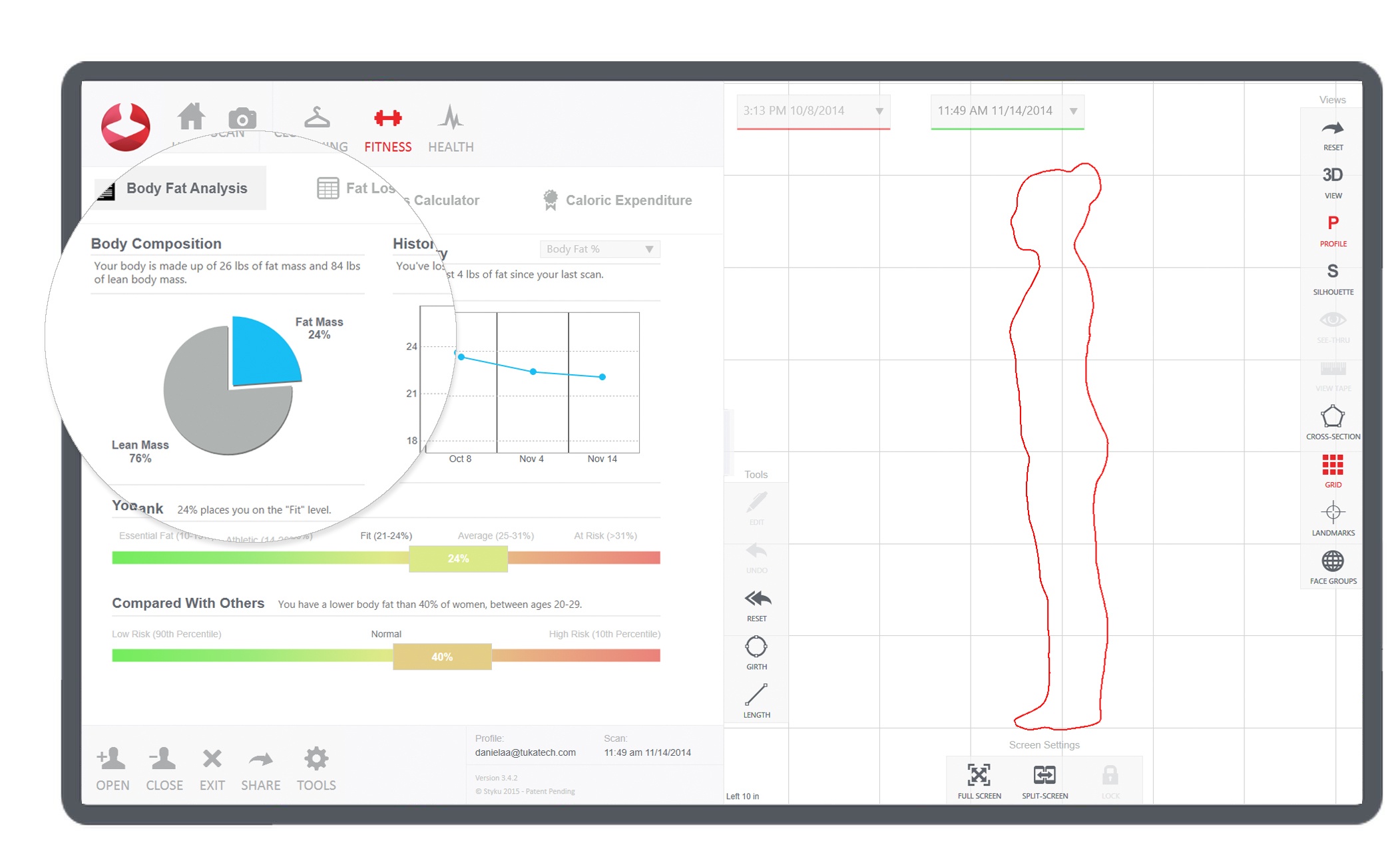
- Track strength and body composition changes
- Stay accountable when motivation drops
The program should fit your body and your schedule. It should not feel copied from someone else’s workout.
How Does Driven Fit Help People Get Started?
Driven Fit begins with an evaluation, not a punishing first workout.
The team reviews your goals, fitness history, movement, schedule, and any limitations we need to consider. From there, your trainer builds a program around where you are now.
Your plan may include:
- Private or semi-private personal training
- Customized strength workouts
- Mobility and core training
- Progress tracking
- Cardio that supports your goals
- Recovery services such as massage, sauna, cold plunge, and chiropractic care
You do not have to lose weight before walking through the door. Starting is how you begin changing it.
FAQs About Weight Loss and Strength Training
Should beginners lift weights to lose weight?
Yes. Strength training can be part of an effective weight loss plan because it helps build or preserve muscle while improving overall fitness.
Will lifting weights make me bulky?
Most beginners will not suddenly become bulky. Significant muscle growth takes time, consistent training, and specific nutrition.
How many days a week should I strength train?
Many beginners start with two or three full-body workouts per week. Your ideal schedule depends on your goals, experience, and recovery.
Is cardio or strength training better for weight loss?
Both can help. Strength training supports muscle and body composition, while cardio supports conditioning and energy expenditure. A balanced plan often includes both.
Do I need to lose weight before hiring a personal trainer?
No. A personal trainer in Tampa can help you begin at your current fitness level and build a safe, realistic plan from there.
Ready to Start Strength Training in Tampa?
You do not need to get in shape before asking for help. You just need a place to begin.
Book your free evaluation today and let Driven Fit build a Tampa personal training plan around your goals, experience, and current fitness level.


 SKIP THE DUNK TANK & DXA MACHINE.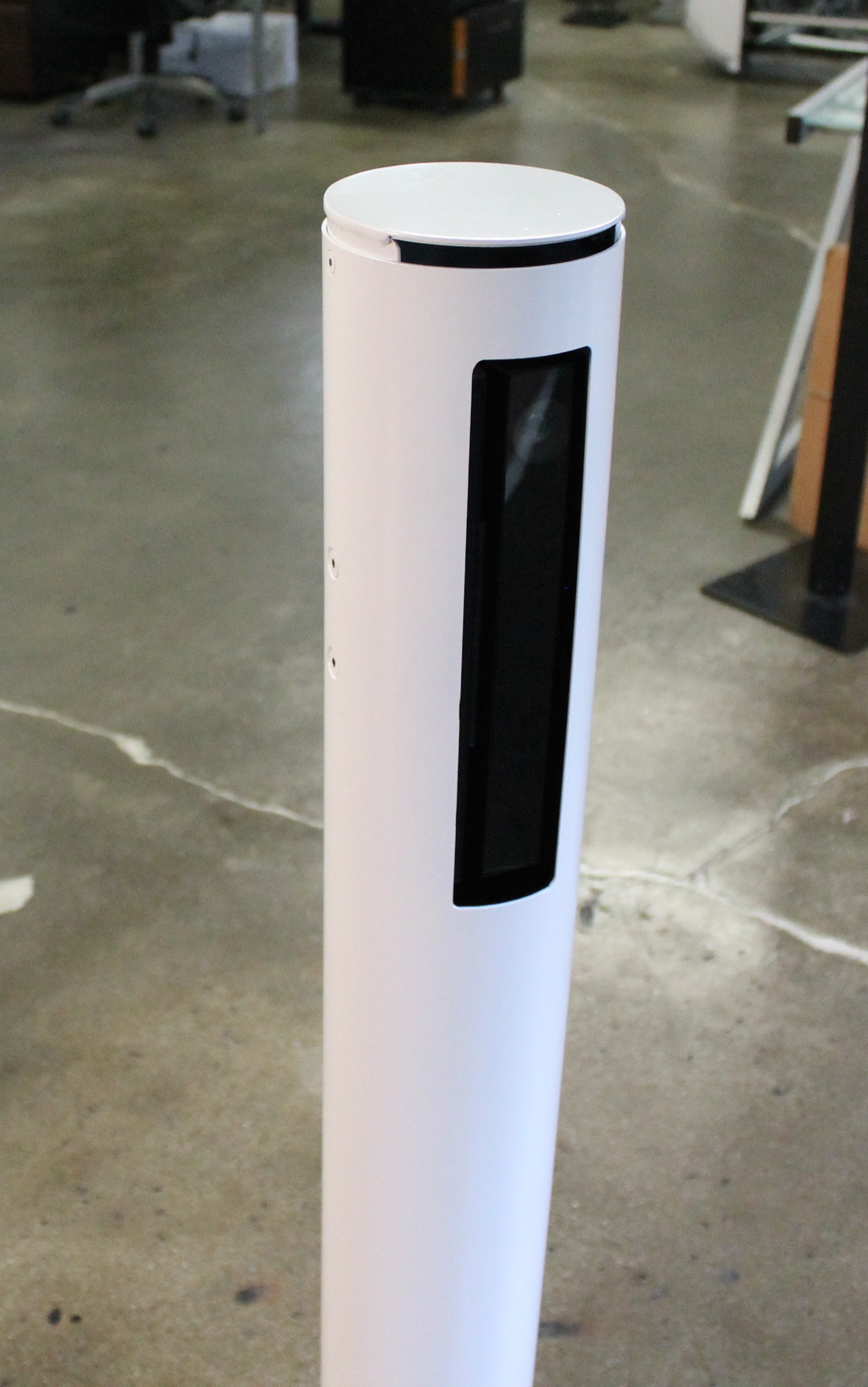


 Dr. Sarah Sponaugle, D.C., certified in acupuncture
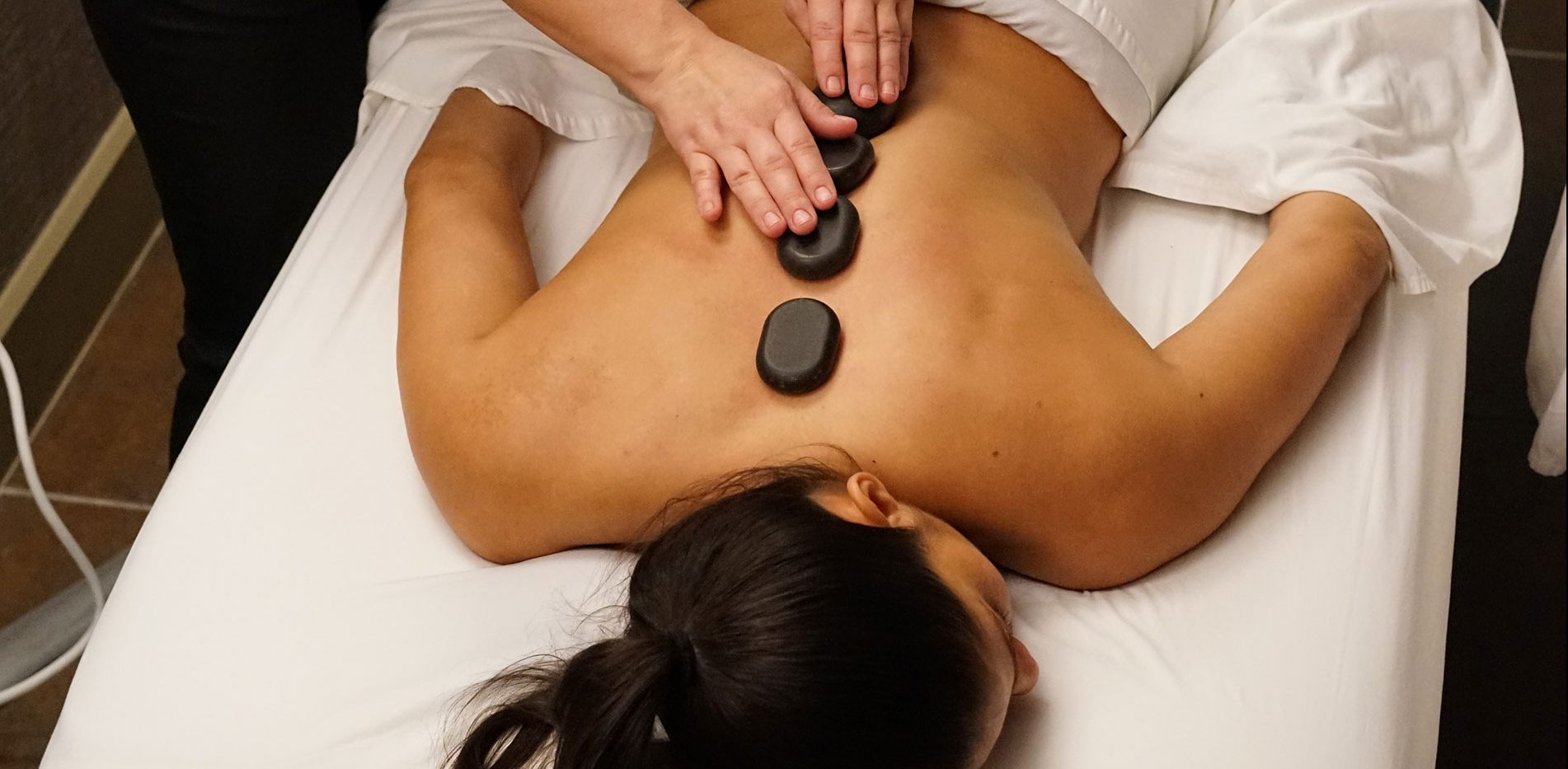


 Mobility is self-treatment or self guided activity that restores the body’s connective tissue system to combat chronic pain, improve performance, and decrease the accumulated stress caused by repetitive postures and movements of everyday life. Mobility helps maintain the health of our connective tissue, it helps with our mental and physical wellness, and it helps you stay balanced and centered. Mobility helps to restore the body and bring it back to a normal homeostasis. The 3 R’s of mobility: Release, restore and rebalance.