Tag: Back Pain

Tech Neck: How Sitting at a Computer All Day Effects Your Body

Our bodies are not designed to be sedentary. Nor are they are designed to be bent or hunched over for extended periods. Yet that is exactly what happens to our body almost all day long, every day.  

Thanks to the advancement of technology we can do almost everything we need from a computer or phone. With more time spent on our devices (you’re reading this on one right now), working from home in chairs or couches without proper support, and more and more time watching TV – it comes at a cost. Here we explain technology aka tech neck and the impact on your body: 


How Sitting Affects Your Health

Take a moment and think about your typical workday. Besides a couple of trips to the bathroom or the break room for coffee, you are probably seated in your desk chair staring at a computer screen for 7-8 hours a day. And then, after a long workday, you come home and want nothing more than to sit in front of the couch and catch up on your television shows or social media accounts on your phone or tablet and then you retire to your bedroom to lie down and go to sleep. We hope you fit a workout in there somewhere though of course… 

A sedentary lifestyle can have a drastic negative influence on our overall health and body. From a broader perspective, we are burning fewer calories, which can lead to increased weight, we are losing muscle and bone strength, and our blood has more problems circulating. 

These bigger issues can lead to tens if not hundreds of other issues such as heart disease, stroke, osteoporosis, inflammation issues, weakened immune systems, eye strain, poor posture, and arthritis and joint issues to just name a few.


What is Tech Neck?

Tech neck” is a relatively new term but refers to the idea that at almost all times you are working at a computer, looking down at your phone, or hunched over a tablet or other devices. Take a sec and mentally check your posture right now; you may need to hear it: sit up straighter.  

Why? The muscles in the back of your neck have to contract to hold your head up and when you look down for long periods of time and these muscles have to work harder to keep your head up. This idea of “tech neck” results in stressed muscles, which in turn cause neck and shoulder pain as well as stiffness and soreness. 

A worst-case scenario of tech neck can cause pressure on discs that can eventually bulge or rupture causing pinched nerves, which may need surgical treatment. 


Alternatives To Sitting

Virtually everyone is susceptible to suffering from tech neck when you spend a significant amount of time in front of a computer or on your phone. But how can the symptoms of tech neck be alleviated? 


Evaluate Your Workspace

If you spend most of your time in front of your computer, it is essential to evaluate your space. 

One of the easiest fixes is to make sure your computer is at eye level. If it is not, your neck is flexed the entire time. Raise your computer so your neck is in a neutral position.  

It is also a good reminder that if you are using your phone or tablet for an extended amount of time to make sure to hold or position your device at eye level so you do not have to tilt your head or look down to view it. 


Get A Standing Desk

Standing desks are becoming quite popular and that is due to the positive effects it has when in use. People that use standing desks overall show decreased less upper back and neck pain and felt more productive and focused. We use a standing desk here at the studio; highly recommend! 


Get A Properly Fitted Chair

If your chair is too big it does not allow for proper seating posture. You will want to get a chair that has very good lumbar support. This will take the pressure off the neck muscles because you will not be learning forward causing strain. 

If you cannot afford a new chair you can also use a pillow behind your back or a footstool for foot support. These are simple inexpensive ideas that can make a big difference. 


Get Up And Move! 

Look no further than yourself! Make mental – and even physical notes – to remind yourself to get up and move.  

Takthe stairs instead of the elevator, stand up and stretch, take a quick lap around your home or office every hour, or take a walk outside during your breaks. 


Stopping Tech Neck Pains

Let’s face it; computers and phones are not going away anytime soon. While no one wants to suffer from “tech neck” it seems almost inevitable. If you have tried to alleviate your symptoms through some of these DIY remedies and you are still experiencing pain, there is hope!

At Driven Fit, we offer a variety of programs and options that will allow your body to feel transformed, rejuvenated, and restored. We will work with you to create an individualized plan that can consist of massage therapy, chiropractic care, and personal training to focus on strengthening your neck and back muscles. 


 Call or text us today at 813-440-3016 and let us show you how to alleviate your neck pain and suffering! 


[hc-hmw snippet=”Contact-Us—Chiropractic-Wellness”]


Sciatica: Pain Triggers and Treatment

Sciatica pain is an aching pain that affects the sciatic nerve – a large nerve that extends from the lower back and down the back of each leg. Those who suffer from sciatica are typically between the ages of 30 and 50 and experience pain on one side of the lower body all the way through the back of the thigh and down through the leg. The good news is that 90% of people suffering from sciatica pain can fully recover without the need for surgery. Read more…


What are the Symptoms of Sciatica Pain? 

Anyone who’s experienced sciatica pain can easily identify the symptoms, which range from a tolerable ache to intense pain. These often include: 

  • Lower back pain
  • Pain in the buttocks or the leg (typically worse when sitting)
  • Hip pain
  • A burning or tingling sensation down the leg
  • Weakness, numbness or difficultly moving the leg or foot
  • Pain on the side of your buttocks
  • A shooting pain which makes it difficult to stand

What Causes Sciatica Pain? 

Degenerative Disc Disease.

Also known as a herniated disc, this condition is a breakdown of the discs that typically “cushion” the vertebrae. The gel-like center of a disc pushes through its outer lining and presses on the roots of the sciatic nerve. 


Pregnancy.

Sciatica typically affects women late in pregnancy when the uterus rests on muscles of the lower back and pelvic floor and spreads tension to the muscles of the upper and lower leg. This tension causes the legs to swell and adds pressure to nearby nerves, including the sciatic.   


Spinal Stenosis.

A condition most commonly found in adults over the age of 60, spinal stenosis occurs from the natural wear and tear of vertebrae. This leads to a narrowing of the spinal canal, thus putting pressure on the roots of the sciatic nerve. 


Piriformis Syndrome.

Guys, this one impacts you! When you wear a large wallet in your back pocket, it can cause the piriformis muscle (the muscle that connects the lower spine to the upper thigh bone and runs directly over the sciatic nerve) to spasm and put pressure on the sciatic nerve.  


Tumors.

It’s rare, but tumors along the spinal cord or sciatic nerve can put pressure on the nerves that branch off from the spinal cord. 


Injury/Infection.

Any kind of disruption to the muscle – inflammation, infection or injury – can put pressure on the sciatic nerve. 


Lifestyle.

Lifestyle choices can trigger sciatic pain, such as being overweight, not exercising regularly, wearing high heels or sleeping on a mattress that is either too hard or too soft. 


Treatment Options for Sciatica 

Most people who suffer from sciatica can improve quickly with at-home remedies such as bed rest, lower back stretches, ice packs and OTC medication. If the pain does not subside after a few weeks or keeps you from doing daily activities, you may want to consider other treatment options such as:  


Physical Therapy

This includes stretching and an exercise routine specifically designed to treat sciatic pain. It will also improve your posture to take pressure off the sciatic nerve.


Acupuncture

This is a proven technique which stimulates specific points on the body by inserting thin needles through the skin and helps ease chronic pain such as sciatica. 


Specialized Massage

Sacrology is a type of massage that incorporates gentle techniques for treating the psoas and piriformis muscles and surrounding structures. 

Ease Your Sciatica

If you suffer from sciatica, we can help! Our studio offers virtual training and one-on-one training options. To learn more about our chiropractic care, acupuncture and specialized massage therapy, please call or text our South Tampa wellness center at (813) 440-3016. 

Can I Exercise with Disc Herniation?

Between each vertebra joint we have discs, membranous structures acting as shock-absorbers. As we age, discs get worn out and lose elasticity which can sometimes lead to tears or cracks in the outer layer. When a crack or tear occurs the inside gel-like layer is at risk to spill out of the outer layer with force, which is known as a disc herniation.

When disc herniation takes place, you may experience chronic low-back pain or shooting pains down the buttocks and back of your legs. Dealing with these aches may mean thoughts of resting, foregoing your workouts until you heal but do you have to?

Dealing with Disc Herniation

Many people have experienced disc herniation in their life. You will require some basic knowledge of the spine before attempting any exercise with a herniated disc. If done incorrectly it is not only painful but also dangerous.

At DrivenFit we have qualified trainers that can design a safe exercise program providing you with positive progress towards your goals. Contact us to schedule a pre-health screening session.

When can I start exercising again?

First, you should rest for 1-2 days to alleviate your pain from a herniated disc. However, your muscles need conditioning to aid in the recovery process. Therefore, you should not lie in bed for days without movement. You will reduce your pain by taking a proactive approach to recovery through physical activity. A common component of disc herniation treatment is exercise.

To prevent further injury and pain you can stabilize and strengthen your low back through restorative exercise. Before you can begin a restorative exercise program one of our certified personal trainers will take you through a functional mobility assessment.

Strengthening your muscles will help take the pressure off your spine by supporting your body weight and bones. Your first step to getting started with your wellness journey is to book your first free workout and fitness evaluation.

What kind of exercise is appropriate if I have a herniated disc?

Keep it simple with stretching and low impact exercise to effectively control your herniated disc pain. There is no need to lift heavy weights or endure intense cardio during your recovery time. Pilates and yoga can assist in relieving your low back and leg pain by improving your strength and flexibility. Exercises that work your back and abs can help stabilize your lumbar by addressing flexibility, posture, and strength.

Dependent on your specific situation other moderate activities like walking, swimming or biking may be an alternative option to help relieve disc herniation pain. Always talk to your physician first before you begin any exercise program.

Why should I exercise with a herniated disc?

Keep in mind that exercising with a herniated disc, if done correctly, can be safe and effective. It is a natural and drug-free way to treat the symptoms associated with a herniated disc. You and your certified fitness trainer at Driven can work together to design a program that will reduce your pain and stay consistent with your training.

In the end, proper exercise should relieve your pain from a herniated disc and help you feel better. To start your fitness road with a Driven personal trainer today call or text 813-440-3016!

Since You’re Here…

Chiropractic Care for Active Lifestyles

Importance of Stretching

Check out the Benefits of Instrument Assisted Therapy

Should I eat before or after my workout?

New Guidelines for Acute and Subacute Low Back Pain & Preventative Maintenance

Do you suffer from low back pain? You’re not alone. Low back pain is one of the most common reasons for doctor’s visits in the United States. In fact, approximately one-quarter of U.S. adults reported having low back pain lasting at least one day in the past three months! Recently, the American College of Physicians (ACP) published an evidence-based clinical practice guideline that physicians and patients should treat acute or subacute low back pain, and the preventative maintenance thereof, with non-drug therapies such as superficial heat, massage, acupuncture, or spinal manipulation.

New Low Back Pain Guidelines

There are three categories of low back pain:

  • Acute (lasting less than four weeks)
  • Subacute (lasting four to 12 weeks)
  • Chronic (lasting more than 12 weeks)

Acute and subacute low back pain usually improves over time regardless of treatment and Doctors should reassure their patients of that. Under these new guidelines, physicians should avoid prescribing unnecessary tests and costly and potentially harmful drugs, especially narcotics.

Alternatives to Pain Medication

Evidence shows that both acetaminophen and systemic steroids were not effective in treating acute or subacute low back pain. Instead of drugs, the ACP recommends that physicians and patients use non-drug and non-invasive therapies such as the following:

  • Exercise
  • Multidisciplinary rehabilitation
  • Acupuncture
  • Mindfulness-based stress reduction
  • Spinal manipulation
  • Tai chi
  • Yoga
  • Motor control exercise
  • Progressive Relaxation

When treating chronic low back pain, new guidelines say doctors should select therapies that have the fewest harms and costs. The ACP reminds patients that these physical therapies should be administered by providers with appropriate training like our very own Doctor of Chiropractic, Dr. Sarah Sponaugle.

Benefits of Non-Invasive Therapies

Patients evaluated in the ACP’s clinical report had the following improvements after non-drug and noninvasive therapies for low back pain:

  • Reduction or elimination of low back pain
  • Improvement in back specific and overall function
  • Improvement in health-related quality of life
  • Reduction in work disability
  • Reduction of back pain episodes or time between episodes
  • Improved patient satisfaction

At Driven Fit + Sponaugle Wellness Studio, we offer the best chiropractic care and acupuncture therapy in South Tampa and treat conditions such as acute and subacute low back pain. For more information on our services or to schedule a consultation with our highly trained specialist, Dr. Sarah Sponaugle, DC., please contact us at (813) 440-3016.

Tampa Chiropractic Care

At Driven + Sponaugle Wellness Studio Tampa, our chiropractic care focuses on the diagnosis and treatment of issues with the spine, nervous, muscular, and skeletal systems to restore total body health. Our chiropractor, Dr. Sponaugle, uses a holistic approach for your overall wellness. She takes into consideration the many variables that affect health such as diet, environment, rest, and exercise. At a much deeper level, she’s doing much more than just adjusting the spine.

What to Expect During My First Visit?  

At your first visit to our Tampa chiropractic care center, you will meet with Dr. Sponaugle for an initial consultation.  At this meeting, she will do an assessment of your overall health and suggest a treatment plan to restore total body wellness.  

How Many Treatments Will I Need?

With chiropractic care,  the treatment plan is customized to your individual needs. Chiropractic treatments can range from just a few days to several weeks, depending on the severity of your condition.

Chiropractic care can also be used anytime as part of a lifelong choice to continue a path of well-being. Even if there is no acute pain, it is common to continue chiropractic treatments (especially for athletes) as regular maintenance keeps you aligned and in peak form.

How Chiropractic Care Helps Back Pain

One of the most common issues we help with at Driven + Sponaugle Wellness Studio is chronic back pain. Why? The back is a complex structure of bones, joints, ligaments, and muscles.  Damage to any of these structures can lead to back pain. There is a long list of causes for back pain; some of the more common include poor posture, obesity, or psychological stress. We offer a comprehensive approach to your health and wellbeing.

If you’re in need of a chiropractor in South Tampa and would like to schedule a consultation, please give our wellness studio a call or text (813) 440-3016.  Our experienced chiropractor will treat your condition with natural healing to restore your body back to total health.

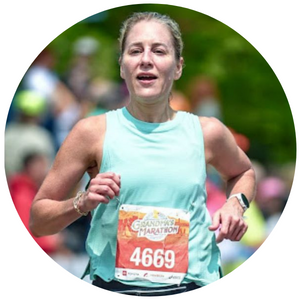
Jessica Bull Testimonial

Jessica Bull


The physical and mental aspects, truly sets your coaching programs apart.

As runner now aiming for personal bests, Luis’s adaptive coaching has been a game-changer. The custom training plan, precision in pacing strategies, and innovative techniques have propelled me to new heights in my races. 

I've shattered performance plateaus, and each race feels like a triumph. 

What was not even a dream become a reality when 

“I qualified for Boston” showing me anything is possible ????????

Beyond the individual successes, the sense of community fostered by your coaching team is remarkable. 

The support, encouragement, and camaraderie among fellow runners create an inspiring environment that fuels everyone's journey.

Thank you, Luis, and the entire run adaptive coaching team, for the dedication, expertise, and unwavering support. Joining your Run coaching programs has truly been the best decision I've made for my running journey. I'm not just achieving my goals; I'm surpassing them with each stride.

Gratefully,

Jessica

This will close in 0 seconds

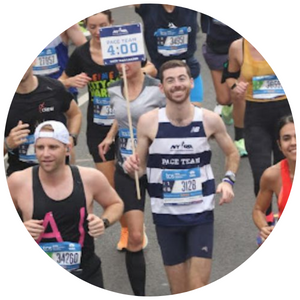
Andrew Brown Testimonial

Andrew Brown


I am writing this testimonial with immense gratitude and excitement about the incredible journey I've had with your Run coaching programs, particularly under the guidance of Luis, my run adaptive coach.

Before joining, I was a runner with aspirations of improvement but unsure of where to begin. Luis’s coaching not only provided a structured plan but also instilled confidence in me from day one. 

The personalized approach, tailored to my fitness level and goals, made all the difference.

One of the key benefits I've experienced is the significant improvement in my running technique. 

Luis’s attention to my run programming has not only prevented injuries but has also made my runs more efficient and enjoyable. 

The gradual progression in training ensured that I never felt overwhelmed, and each milestone achieved boosted my motivation.

The mental toughness training incorporated into the program has been transformative. Luis's guidance has not only helped me overcome mental barriers during runs but has also positively impacted various aspects of my life. 

I’m Looking forward to my next few blocks of run coaching leading up to my next marathon in Berlin where I will be looking to reach a sub 4hr marathon ????????

~Andrew Brown

This will close in 0 seconds

Jason Arnold Testimonial

Jason Arnold


The approach of sending workouts directly to my watch and the personalized support provided has been a game-changer in achieving my personal best at the half marathon distance.

The convenience of having my workouts seamlessly integrated with my watch has transformed the way I approach training. It's not just about the ease of access; it's the strategic planning and adaptability that make your coaching methods stand out. Each run felt purposeful, and the progression was noticeable from week to week.

What truly sets your coaching apart is the unwavering support I received. The encouragement, insights, and personalized feedback have been instrumental in my success. It's more than just a training plan; it's a collaborative journey where my goals are embraced and pursued with dedication.

I recently achieved a personal best at the half marathon, and I credit this accomplishment to the meticulous coaching and guidance I received. The precision in pacing, strategic advice on race-day tactics, and the mental resilience training have elevated my performance beyond my expectations.

Thank you, luis and the entire run adaptive team, for the commitment, expertise, and continuous support. Your coaching methods have not only improved my running but have also enriched my overall perspective on fitness and well-being.

~ Jason Arnold

This will close in 0 seconds